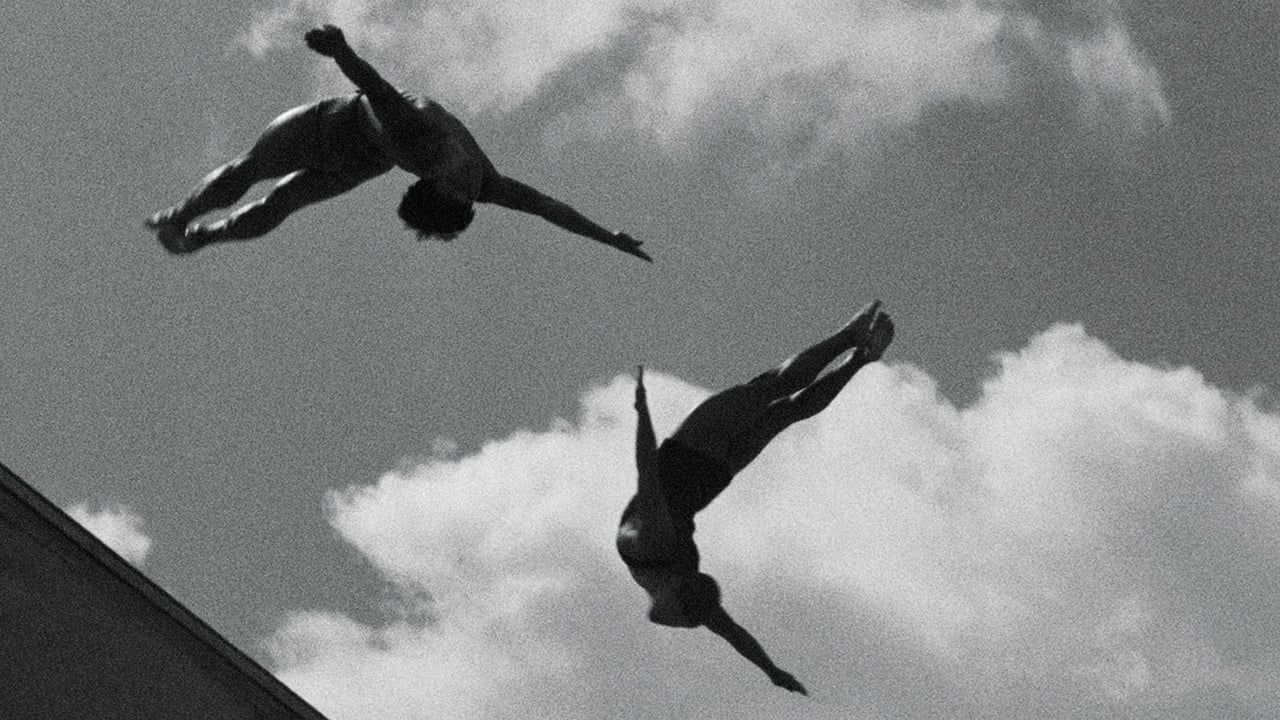

Les dieux du stade, la fête de la beauté
NOTE: This collection is for historical purposes only. I do not condone any of the views expressed in these films. Helene Bertha Amalie 'Leni' Riefenstahl (22 August 1902 – 8 September 2003) was a German filmmaker, photographer, and actress. Considered one of the most controversial personalities in filmmaking history, Riefenstahl is regardless regarded by many critics as an 'innovative filmmaker and creative aesthete'. However, she is also criticised for her works in the service of propaganda during the Nazi era. (( The US co-owner saw the 2024 documentary Riefenstahl and was inspired to compile this. Unfortunately, we were unable to download Day of Freedom , so we've linked it to a host site. Films that only feature Riefenstahl are marked with an (A). )) The Holy Mountain [ Der heilige Berg ] (1926) In the mountains, Diotima meets Karl fall in love and have an affair. Karl's friend Vigo mistakenly believes she's in love with him, causing rifts in all relationships. Storm Over Mount Blanc [ Stürme über dem Mont Blanc ] (1930) Hannes is employed at the Mont Blanc Observatory; the only outside connection is a pilot and Hella over the radio. Hella ascends the mountain but her father dies along the way. The White Ecstasy [ Der weiße Rausch ] (1931) The exploits of village girl Hannes (not the same as above) and her attempts to master skiing and ski-jumping aided by the local expert. The Blue Light [ Das blaue Licht ] (1932) As sole female Junta is the only one who can climb a dangerous mountain, villagers deem her as a witch. S.O.S. Iceberg [ S.O.S. Eisberg ] (1933) An expedition goes in search of a party lost in the Arctic a year earlier. The Victory of Faith [ Der Sieg des Glaubens ] (1933) Follows the Fifth Nazi Party Rally (Nuremberg, 30 August–3 September) and shows the then intimate relationship between Hitler and Ernest Rõhm. Triumph of the Will [ Triumph des Willens ] (1935) A showcase of German chancellor and Nazi Party leader Adolf Hitler at the 1934 Nuremberg Rally. Day of Freedom: Our Armed Forces [ Tag der Freiheit: Unsere Wehrmacht ] (1935) The armed forces of the Third Reich, particularly the German army, are presented as an efficient system of bodies and machines at the seventh Nazi Party Rally that occurred in Nuremberg in 1935. Olympia Part One: Festival of the Nations [ Olympia 1. Teil — Fest der Völker ] (1938) Starting with a long and lyrical overture, evoking the origins of the Olympic Games in ancient Greece, Riefenstahl covers twenty-one athletic events in the first half of this two-part love letter to the human body and spirit, culminating with the marathon, where Jesse Owens became the first track and field athlete to win four gold medals in a single Olympics. Olympia Part Two: Festival of Beauty [ Olympia 2. Teil — Fest der Schönheit ] (1938) Part two of Riefenstahl's monumental examination of the 1938 Olympic Games, the cameras leave the main stadium and venture into the many halls and fields deployed for such sports as fencing, polo, cycling, and the modern pentathlon, which was won by American Glenn Morris. Lowlands [ Tiefland ] (1954) In early 20th-century Europe, a dancer becomes the romantic bone of contention between two men, a humble shepherd, and an imperious marquis. The Wonderful Horrible Life of Leni Riefenstahl [ Die Macht der Bilder: Leni Riefenstahl ] (1993) An in-depth examination of the life and work of Riefenstahl, one of the most famous, and yet reviled, German filmmakers in history. Impressions Underwater [ Impressionen unterwasser ] (2002) [ no subs ] Riefenstahl explores the undersea world of coral reefs in various oceans around the world, with music by Giorgio Moroder.
- Nationalité
- Germany
- Langue originale
- allemand
- Réalisation
- Leni Riefenstahl
- Sortie
- 2 juin 1938
Avis des spectateurs
Vous avez vu ce film ? Partagez ce qui vous a marqué : l’ambiance, le rythme, les acteurs, la mise en scène… ou simplement pourquoi vous le recommandez.
Aucun avis pour le moment. Soyez le premier!
Vous pourriez aussi aimer






CineLibre n’héberge aucune vidéo. Le visionnage se fait exclusivement sur la plateforme source officielle.