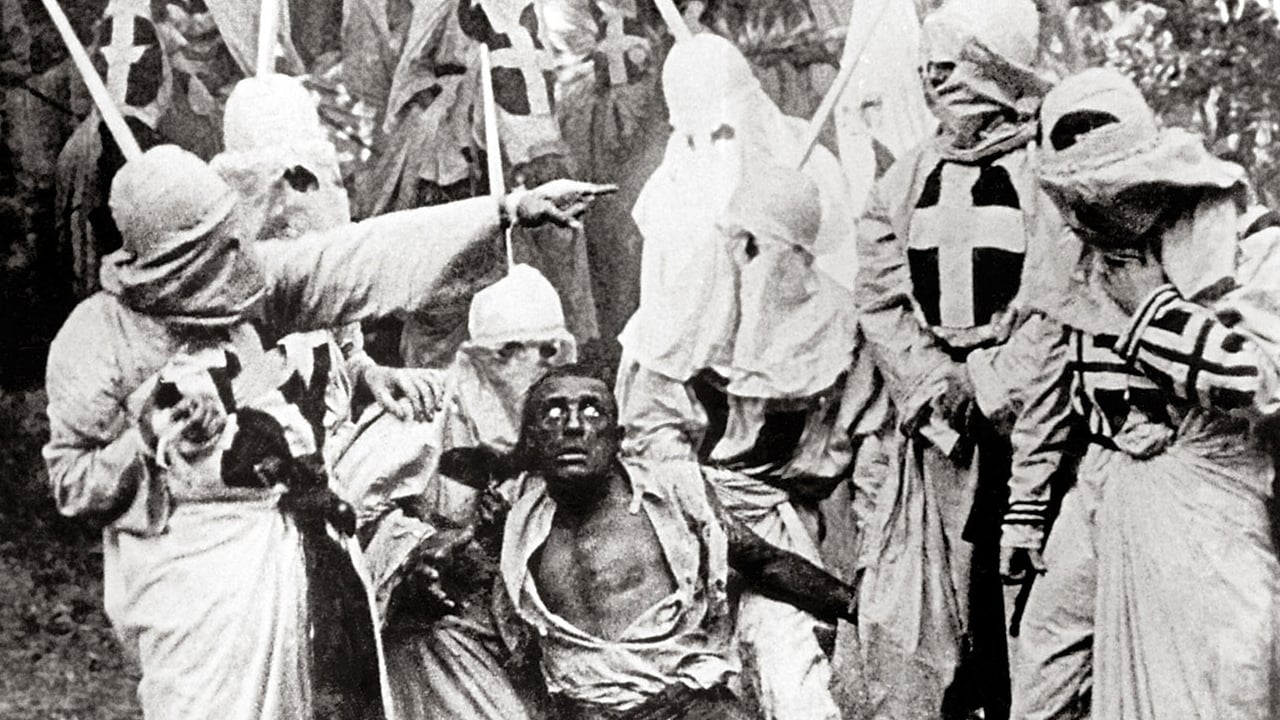
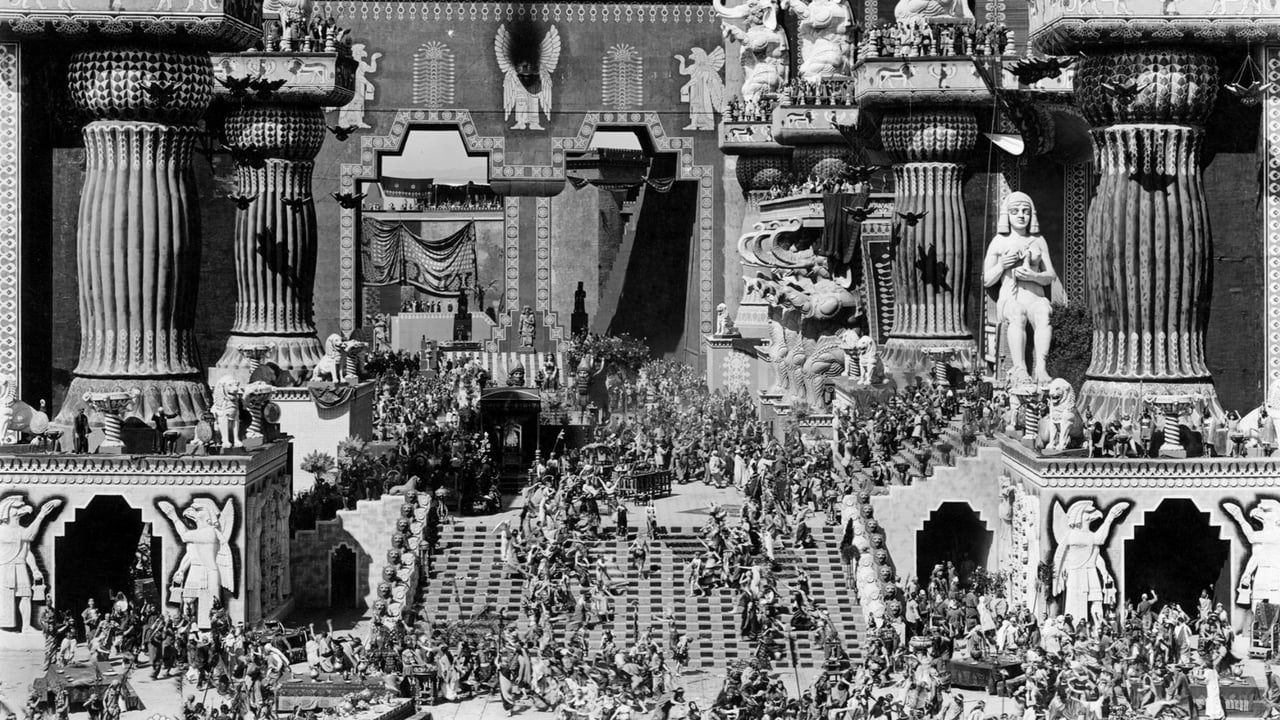
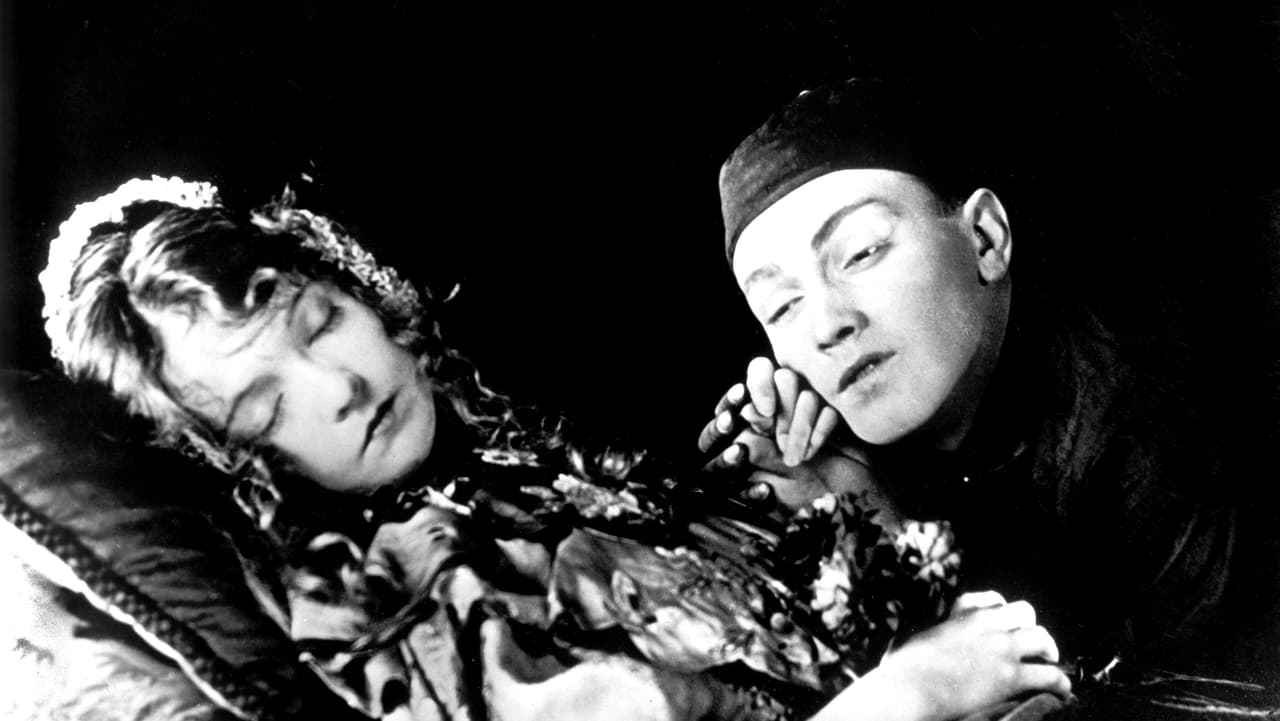
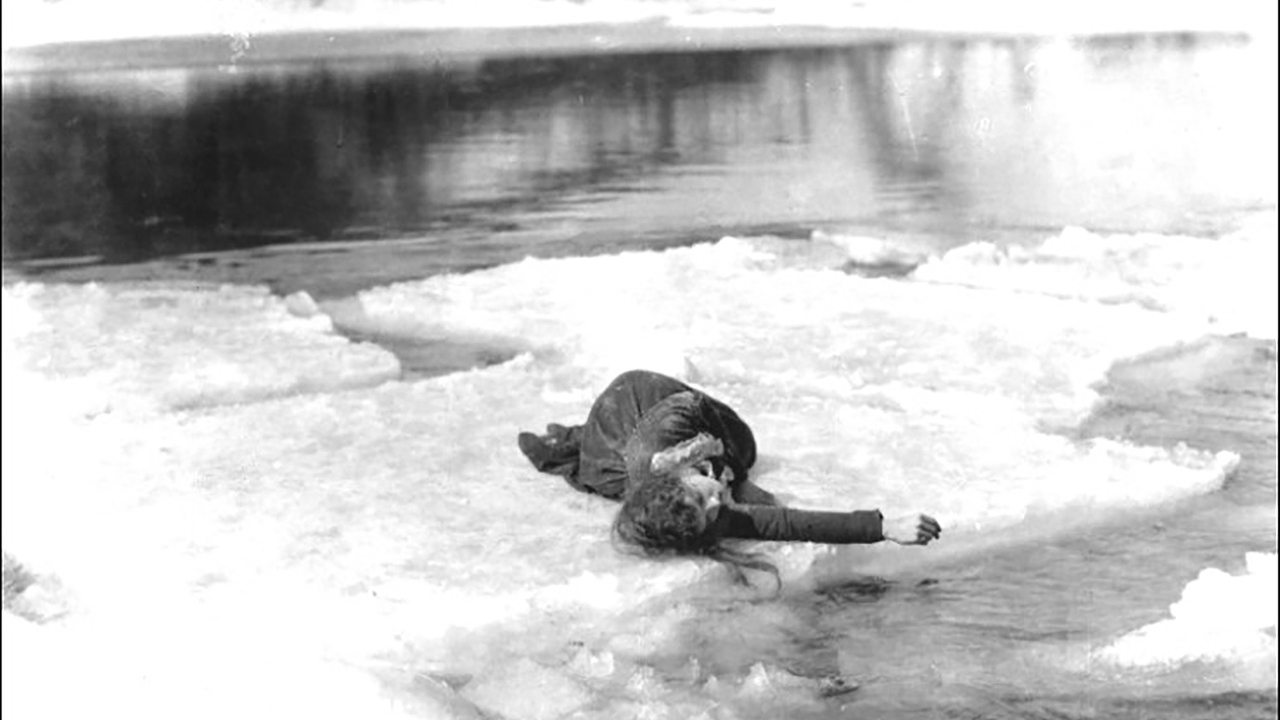
David Wark Griffith (January 22, 1875 – July 23, 1948) was an American film director. Considered one of the most influential figures in the history of the motion picture, he pioneered many aspects of film editing and expanded the art of the narrative film. To contemporary audiences, he is primarily known for the 1915 epic drama The Birth of a Nation . One of the most financially successful films of all time and considered a landmark by film historians, it has also been denounced for its degrading portrayals of African Americans, glorification of the Ku Klux Klan, and support for the Confederacy. The KKK's revival in following months is partially attributed to the film's release. Further, it led to riots in several major US cities and the NAACP attempted to have it banned. Feeling like a victim, the Confederate truther Griffith made Intolerance (1916) as a response to critics, who he felt unfairly maligned his work. Together with Charlie Chaplin , Mary Pickford and Douglas Fairbanks , Griffith co-founded the studio United Artists in 1919 with the goal of enabling actors and directors to create on their own terms, as opposed to those of commercial studios. Several of his later films were successful, including Broken Blossoms (1919), Way Down East (1920), and Orphans of the Storm (1921), but high costs incurred for production and promotion often led to financial failure. Griffith ultimately made ~520 films, including nearly 480 shorts, by the time of The Struggle (1931), his final feature. All but three were completely silent. Judith of Bethulia (1914) In the 7th-century B.C., the Assyrians storm the walls of the Jewish city of Bethulia, leaving its people frightened and ready to hand their homes over to the invaders. As the Assyrians close in, the citizens are cut off from the outside world, and they began to starve. Seeing her people's desperation, Jewish widow Judith poses as a harem worker, winning her entry into the Assyrian camp, where she plans to kill their general, Holofernes. Home, Sweet Home (1914) John Howard Payne leaves home and begins a career in the theater. Despite encouragement from his mother and his sweetheart, Payne begins leading a life of dissolute habits, which soon leads to ruin and misery. In deep despair, he recalls better days, and writes a song that later provides inspiration to several others in their own times of need. The Avenging Conscience (1914) Thwarted by his despotic uncle from continuing his love affair, a young man's thoughts turn dark as he dwells on ways to deal with his uncle. Increasingly convinced that murder is merely a natural part of life, he kills his uncle and hides the body. However, the man's conscience awakens; paranoia sets in and nightmarish visions begin to haunt him. The Birth of a Nation (1915) Two families, abolitionist Northerners the Stonemans and Southern landowners the Camerons, intertwine. When Confederate colonel Ben Cameron is captured in battle, nurse Elsie Stoneman petitions for his pardon. In Reconstruction-era South Carolina, Cameron founds the Ku Klux Klan, battling Elsie's congressman father Austin and his African-American protégé, Silas Lynch. Intolerance: Love's Struggle Throughout the Ages (1916) The story of a poor young woman, separated by prejudice from her husband and child, is interwoven with tales of intolerance from throughout history. Hearts of the World (1918) A group of youth come of age in a peaceful French village. But war intrudes and peace is shattered. The German army invades and occupies, bringing both destruction and torture. The youngsters resist, some successfully, others tragically, until French troops retake the town. A Romance of Happy Valley (1919) John Logan leaves bucolic Happy Valley to make his fortune in the city. His parents and his sweetheart become miserable and beleaguered in his absence, but after several years he returns wealthy. However, his embittered father, not recognizing him for who he is, plans to murder the newly-arrived 'stranger' for his money. The Girl Who Stayed at Home (1919) Ralph Grey visits France with his shipbuilder father, and falls in love with Blossom, granddaughter of his father's friend, a Civil war veteran not reconciled with the Union. Blossom, however, is engaged to a French nobleman. When war breaks out, Ralph enlists, while his brother Jim, a heartbreaker, is drafted. Broken Blossoms, or The Yellow Man and the Girl (1919) A frail waif, abused by her brutal boxer father in London's seedy Limehouse District, is befriended by a sensitive Chinese immigrant with tragic consequences. True Heart Susie (1919) In a country town, Susie, innocent and big-hearted, quietly gives money to William Jenkins, a man she secretly yearns for, so he can attend college. After he graduates, he returns and becomes the town's minister. However, he never realizes how Susie feels about him and ignores her in favor of Bettina Hopkins, a wild and unfaithful girl who steals his heart. Susie must then find a way to show William that she's loved him all along. The Fall of Babylon (1919) A re-edited version of the second episode of Intolerance ; a mountain girl who loves Belshazzar strives to protect him against the evil High Priest of Bel and his treacherous cohorts. The Mother and the Law (1919) A re-edited version of the fourth episode of Intolerance ; two youth are made homeless by a strike, and struggle valiantly to survive their desolate situation, which worsens as reform-minded citizens remove the couple's child from their care and the young father is falsely accused and convicted of murder. Scarlet Days (1919) In early lawless California, Rosie Nell, a woman of disreputable dance halls, is wrongly charged with the murder of one of her fellow entertainers. Because her daughter, who knows nothing of her mother's station in life, is to return the next day from education in the east, Rosie is granted three days of grace to be spent in company with her daughter at a nearby cabin. The three days begin happily enough, thanks to the serenades of heroic bandit Alvarez and the poetry of romantic Randolph. But Bagley, the dance hall manager, has seen the daughter and has determined to make her his own. The Greatest Question (1919) Young Nellie Jarvis, daughter of a wandering couple, witnesses the murder of a woman by a man and his wife. Years later, Little Miss Yes'm, as Nellie is known, returns as an orphan. Locals Mr. and Mrs. Hilton, though poverty stricken, take her into their family. Fully integrated with the loving Hiltons, she wishes to relieve them of their financial strain. Nellie travels to a nearby farmhouse to gain employment from depraved Martin Cain and his paranoid wife. The Idol Dancer (1920) A religious zealot and his nephew are thrown together on a South Seas Island with an alcoholic beachcomber and a native dancer. A battle to see who will 'civilize' whom ensues. The Love Flower (1920) A man murders his wife's lover and escapes with his daughter to the South Pacific. A detective is in pursuit, joined by a young man who eventually falls in love with the daughter. Way Down East (1920) A naïve country girl is tricked into a sham marriage by a wealthy womanizer, then must rebuild her life despite the taint of having borne a child out of wedlock. Dream Street (1921) In London's Limehouse district, dancehall girl Gypsy Fair finds herself the prize in a tug of war between a pair of dueling orphaned brothers. Orphans of the Storm (1921) France, on the eve of the French Revolution. Henriette and Louise have been raised together as sisters. When the plague that takes their parents' lives causes Louise's blindness, they travel to Paris in search of a cure, but are separated when a lustful aristocrat crosses their path. One Exciting Night (1922) An orphan girl, courted by an unpleasant older suitor who has a hold over her adoptive mother, falls in love with Fairfax, a young stranger at a party. A group of bootleggers try to escape with the loot stashed previously within Fairfax's mansion; mysterious faces peer into the windows and shadowy figures stalk the hall. The White Rose (1923) Wealthy young Southern aristocrat Joseph graduates from seminary and, before he takes charge of his assigned parish, decides to go out and see what 'the real world' is all about. America (1924) Lexington, Massachusetts, mid-1770s. Renegade British officer Captain Walter Butler struggles to enlist the aid of Indians against the tide of colonists rebelling for independence. Meanwhile, impoverished farmer Nathan Holden, in love with aristocrat Nancy Montague, reluctantly joins the Patriots – only to find himself at odds with Nancy's stern father and her arrogant brother. Isn't Life Wonderful (1924) A Polish family, left homeless in the wake of World War I, move to Germany and struggle to survive during the Great Inflation. War orphan Inga has only accumulated a small amount of money from the rubble and hopes to wed Paul. Weakened by poison gas, Paul begins to invest in Inga's future and serves as their symbol of optimism. Sally of the Sawdust (1925) Judge Henry L. Foster throws his daughter out as she's married a circus man. She leaves her baby girl with Professor Eustance McGargle before she dies. Years later, Sally is a dancer with whom Peyton, a son of Judge Foster's friend, falls in love. The Sorrows of Satan (1926) Geoffrey Tempest is desperately in love with aspiring writer Mavis Claire, a tenant of his boardinghouse. Unable to marry her due to his poverty, in his anger, he curses God for abandoning him. Soon, Geoffrey meets Prince Lucio de Rimanez, a wealthy, urbane gentleman who informs Geoffrey that he's inherited a fortune, but that he must place himself in the Prince's hands in order to enjoy the fruits of his inheritance. What Geoffrey doesn't know is that Prince Lucio is actually Satan. Drums of Love (1928) Princess Emmanuella agrees to wed the Duke of a neighbouring kingdom in order to keep peace between their two countries. However, when the Duke's handsome brother arrives to escort her to her new husband, she finds herself attracted to him, and even moreso when she discovers that her future husband, whom she has never met, is ugly, brutish, and deformed. The Battle of the Sexes (1928) After the wealthy and married William Judson meets young, attractive Marie Skinner, he's flattered by her attention. What he fails to realize is that Marie has plotted with her lover to seduce Judson for his money. When his family points out her motives, Judson quarrels with them and moves out. Desperate for a solution, Judson's daughter Ruth takes a gun with intentions of shooting Marie – unless her lover can talk her out of it. Lady of the Pavements (1929) Karl, a German diplomat in Paris, discovers that his fiancée, Diane, has been unfaithful. He tells her that he would rather marry a 'girl of the streets' than her. Outraged, Diane enlists the services of a Spanish singer/dancer from a disreputable nightclub to pose as a sophisticated, convent-educated singer, and surreptitiously arranges for her to meet Karl. Abraham Lincoln (1930) An episodic dramatization of the 18th President of the United States' life, including his early years, affair with Ann Rutledge, courtship of Mary Todd, debates with Stephen A. Douglas, the election of 1860, his presidency during the Civil War, and finally his assassination at Ford's Theater in 1865. The Struggle (1931) Spanning from 1911 into the Prohibition era, Jimmie Wilson picks up drinking. When he falls in love with and proposes to Florrie, he vows to stop. The young couple gets married, has a daughter and enjoys a happy family life until old habits rise again.